Choosing the Right Sofa for Office or Home for Comfort and Professional Appeal
A Sofa for office or home is more than a seating arrangement; it is a central element that defines comfort, functionality, and aesthetic identity in any space. Whether placed in a corporate reception area, executive lounge, living room, or compact apartment, the right sofa influences how people feel, interact, and experience the environment. Modern interiors demand furniture that balances durability, ergonomic support, and visual elegance. Selecting the ideal sofa for office or home requires thoughtful consideration of space planning, material quality, design style, and long-term usability.
In today’s hybrid work culture, the boundary between office and home furniture is increasingly blurred. Many professionals seek sofas that offer both residential warmth and corporate sophistication. A carefully chosen piece enhances relaxation while maintaining a polished and organized atmosphere.
Why a Sofa for Office or Home Is Essential in Modern Spaces
Seating arrangements significantly impact comfort and perception. In offices, sofas create welcoming reception areas where clients and partners feel at ease. In homes, they serve as gathering points for family conversations, relaxation, and entertainment.
Unlike standard chairs, sofas provide extended seating capacity and encourage collaborative interaction. Their presence improves spatial balance and softens rigid layouts often created by desks, cabinets, and workstations. A high-quality sofa for office or home blends utility with refined design, contributing to both productivity and leisure.
Understanding Different Types of Sofa for Office or Home
Reception Sofas for Corporate Environments
Reception sofas are typically structured with clean lines and firm cushioning. They project professionalism while offering adequate comfort for short waiting periods. Neutral color palettes such as black, grey, and beige dominate corporate settings.
These sofas must be durable and easy to maintain due to frequent use. High-density foam and strong internal frames ensure longevity in high-traffic areas.
Sectional Sofas for Flexible Layouts
Sectional sofas are versatile options for both homes and office lounges. Their modular design allows rearrangement based on space configuration. This flexibility makes them suitable for collaborative work areas or large family rooms.
A sectional sofa for office or home maximizes seating without overcrowding the space. It also enhances conversation flow by encouraging group interaction.
Compact Two-Seater and Three-Seater Sofas
For smaller rooms, two-seater and three-seater sofas provide balanced comfort without dominating the layout. These models fit well in apartments, executive cabins, or meeting rooms.
Compact sofas maintain functionality while preserving open floor space. Their streamlined structure supports both formal and casual settings.
Key Features to Look for in a Sofa for Office or Home
Frame Construction and Durability
The internal frame determines the structural strength of a sofa. Hardwood frames offer long-term stability, while engineered wood provides cost-effective durability. Reinforced joints and quality craftsmanship prevent sagging or instability over time.
Investing in a well-built frame ensures that the sofa maintains its shape and support even after years of daily use.
Cushioning and Comfort Level
Cushion density directly affects seating comfort. High-density foam retains shape longer and provides balanced firmness. Softer cushions may feel luxurious but can lose form with prolonged use.
An ideal sofa for office or home should offer supportive seating that promotes upright posture, particularly in professional settings.
Upholstery Materials
Material selection influences both appearance and maintenance requirements. Common upholstery options include:
- Genuine leather for executive appeal
- Synthetic leather for easy cleaning
- Fabric upholstery for warmth and variety
- Velvet or textured materials for decorative emphasis
Leather sofas are often preferred in offices due to their durability and easy maintenance. Fabric sofas are popular in homes for their softness and design flexibility.
Design Considerations for Office and Home Settings
Color Coordination and Interior Harmony
Color choice should complement existing decor elements. Neutral tones provide versatility and long-term adaptability. Bold colors can add personality but require careful integration with surrounding furniture.
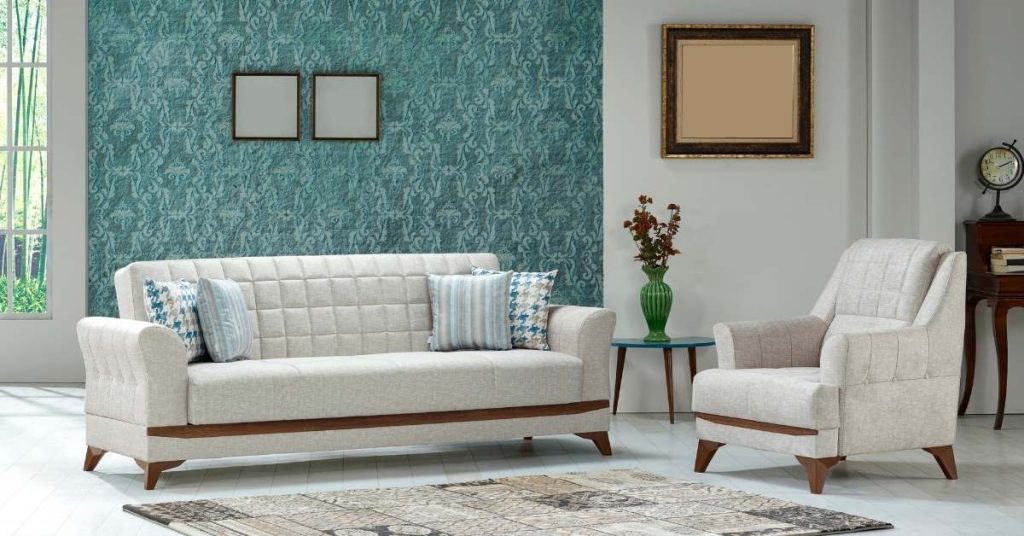
In office environments, subtle shades enhance professionalism. In homes, layered color schemes create warmth and character.
Space Planning and Layout Efficiency
Before selecting a sofa for office or home, measure available floor space. Ensure adequate walking pathways and avoid overcrowding. In compact rooms, consider wall placement or corner positioning to maximize efficiency.
Open-plan layouts benefit from sofas that act as subtle room dividers. This creates functional zones without requiring physical partitions.
Benefits of Investing in a High-Quality Sofa for Office or Home
Enhanced Comfort and Relaxation
A well-designed sofa encourages relaxation during breaks or after work hours. Comfortable seating supports mental clarity and stress reduction, especially in demanding professional environments.
Improved Professional Image
In corporate spaces, furniture contributes to brand perception. A refined sofa for office or home signals attention to detail and commitment to quality. Clients often form impressions based on the environment they experience.
Versatility and Multi-Functional Use
Modern sofas serve multiple purposes, including informal meetings, collaborative discussions, or casual entertainment. Their adaptable nature makes them valuable in dynamic workspaces and evolving home layouts.
Businesses and homeowners seeking elegant and durable seating options can explore curated collections of Sofa for office or home models designed to suit diverse interior requirements.
Comparing Office Sofas and Home Sofas
| Feature | Office Sofa | Home Sofa |
|---|---|---|
| Cushion Firmness | Medium to firm | Soft to medium |
| Design Style | Minimal and structured | Decorative and varied |
| Material Preference | Leather or synthetic | Fabric, leather, velvet |
| Durability Focus | High traffic resistance | Comfort-focused durability |
While design priorities may differ slightly, a versatile sofa for office or home can balance both professional and residential needs effectively.
Maintenance and Care Guidelines
Proper care extends the life of any sofa. Leather upholstery should be cleaned with appropriate conditioners to prevent cracking. Fabric surfaces require regular vacuuming to remove dust and debris.
Avoid direct sunlight exposure to prevent fading. Rotate cushions periodically to maintain uniform wear. Consistent maintenance preserves both appearance and structural integrity.
Sustainability and Eco-Conscious Choices
Sustainable furniture manufacturing is gaining importance in modern markets. Many manufacturers now use responsibly sourced wood, eco-friendly fabrics, and low-emission adhesives.
Selecting an environmentally responsible sofa for office or home aligns with long-term sustainability goals while maintaining design excellence.
Customization Options and Personalization
Many modern sofa designs offer customization features such as:
- Adjustable headrests
- Modular expansions
- Custom fabric selection
- Stitching variations
- Built-in storage compartments
Personalized features allow furniture to align with unique functional needs and interior themes.
Professionals and homeowners looking for reliable and stylish seating solutions can review comprehensive ranges of Sofa for office or home options that combine ergonomic comfort with refined design aesthetics.
Cost Versus Long-Term Value
While budget considerations are important, prioritizing quality often results in better long-term value. Low-cost sofas may require frequent repairs or replacements. Investing in durable materials and strong construction reduces long-term expenses.
High-quality sofas retain structural integrity and visual appeal for years, making them cost-effective over time.
Future Trends in Sofa Design
Contemporary sofa design continues to evolve with smart features and adaptable layouts. Integrated USB charging ports, modular expansions, and space-saving storage solutions are becoming increasingly common.
Hybrid work culture influences furniture design, encouraging pieces that transition smoothly between formal and casual settings. As living and working environments merge, sofas must offer both professional refinement and home-level comfort.
Creating a Balanced and Functional Space
A sofa for office or home plays a defining role in shaping interior comfort and atmosphere. It influences social interaction, relaxation quality, and workspace efficiency. By carefully evaluating material quality, frame construction, design compatibility, and maintenance requirements, individuals can select a sofa that meets both aesthetic and practical needs.
The right sofa enhances daily living while reinforcing a professional image. Thoughtful selection ensures lasting comfort, durability, and visual harmony in any modern environment.